CLT and biochar are interesting enough, but there are some crazy new wood products out there, too...
-------------------------------
-------------------------------
-------------------------------
CLEAR: "Because MMA’s index of refraction (a measure of how much it bends light) matches that of the lignin-free wood, rays of light pass right through the MMA-infused composite instead of getting bounced around inside empty cells. This renders the [treated wood] material remarkably clear."
-------------------------------
Plastic Packaging from Wood
"Microfibrillated
cellulose (MFC) consists of plant fibres that are only 100 nanometres
in diameter, but can be extremely long, making them highly suitable as a
reinforcement material for biodegradable plastics.
MFC membranes have also been shown to be impermeable to gases such as oxygen and can therefore be used to protect foodstuffs.
Most of today’s plastics are petroleum-based, but scientists are now trying to create a climate-friendly alternative to plastics from renewable resources - bioplastic and (MFC)."
MFC membranes have also been shown to be impermeable to gases such as oxygen and can therefore be used to protect foodstuffs.
Most of today’s plastics are petroleum-based, but scientists are now trying to create a climate-friendly alternative to plastics from renewable resources - bioplastic and (MFC)."
Micro-fibrillated Cellulose cloth
This wood-based fiber is also being used for clothing.
-------------------------------
Fungus Bricks
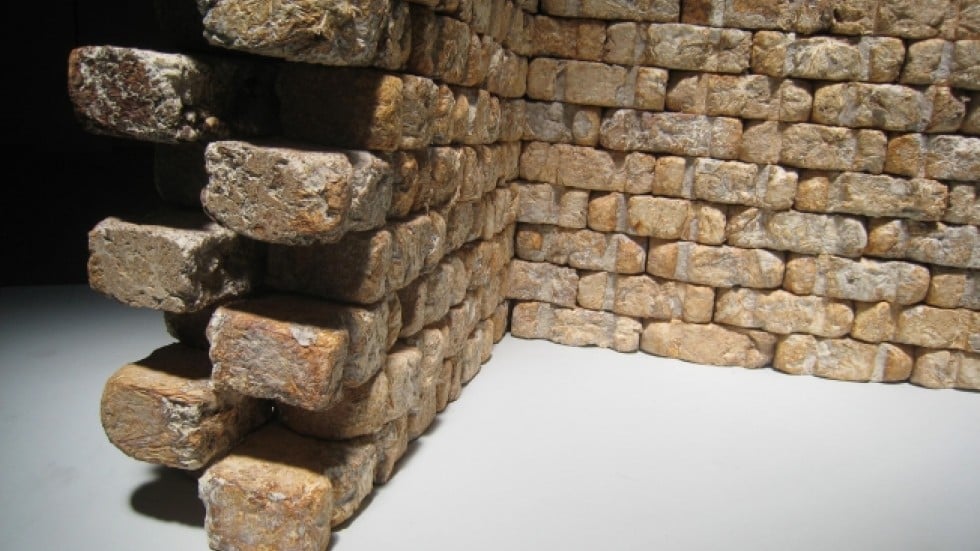
Made from fungus and sawdust, Phil Ross' recipe makes extremely durable furniture and building materials from a forest waste product.
The company, MycoWorks, also makes leather from fungus and waste fiber.
-------------------------------
Cutting Edge Materials Science with Wood
STRONG: "Some varieties of wood, such as oak and maple, are renowned for their strength. But scientists say a simple and inexpensive new process can transform any type of wood into a material stronger than steel, and even some high-tech titanium alloys."CLEAR: "Because MMA’s index of refraction (a measure of how much it bends light) matches that of the lignin-free wood, rays of light pass right through the MMA-infused composite instead of getting bounced around inside empty cells. This renders the [treated wood] material remarkably clear."
-------------------------------
Carbon Fiber from Wood Precursors
Oakridge National Labs is working on reducing the cost and manufacturing time of carbon fiber, which is a magnificently strong and light material, but currently prohibitive for mass production. Their research includes a focus on less expensive precursors including wood lignin, a waste product of the paper industry.
-------------------------------
Nanocrystalline Cellulose (NCC)
"The new [paper-making] method involves breaking down wood pulp with enzymes and then fragmenting it using a mechanical beater. The shear forces produced cause the cellulose to gently disintegrate into its component fibres.
The end result is undamaged cellulose fibres suspended in water. When the water is drained away...the fibres join together into networks held by hydrogen bonds, forming flat sheets of 'nanopaper'.
Mechanical testing shows it has a tensile strength of 214 megapascals, making it stronger than cast iron (130 MPa) and almost as strong as structural steel (250 MPa).
Normal paper has a tensile strength less than 1 MPa.
The secret to the nanopaper’s performance is not only the strength of the undamaged cellulose fibres, but also they way they are arranged into networks. Although strongly bound together, they are still able to slip and slide over each other to dissipate strains and stresses."
It even conducts electricity, and can be made into strong insulting foam.
More uses for NCC.
-------------------------------
"Wood-powered vehicles have been around since the auto industry’s earliest days, but they didn’t rise to prominence until the end of the First World War. Alarmed by gas shortages during the war, many countries in Europe encouraged private companies to find a new type of fuel."
The end result is undamaged cellulose fibres suspended in water. When the water is drained away...the fibres join together into networks held by hydrogen bonds, forming flat sheets of 'nanopaper'.
Mechanical testing shows it has a tensile strength of 214 megapascals, making it stronger than cast iron (130 MPa) and almost as strong as structural steel (250 MPa).
Normal paper has a tensile strength less than 1 MPa.
The secret to the nanopaper’s performance is not only the strength of the undamaged cellulose fibres, but also they way they are arranged into networks. Although strongly bound together, they are still able to slip and slide over each other to dissipate strains and stresses."
It even conducts electricity, and can be made into strong insulting foam.
More uses for NCC.
-------------------------------
Wood Gas
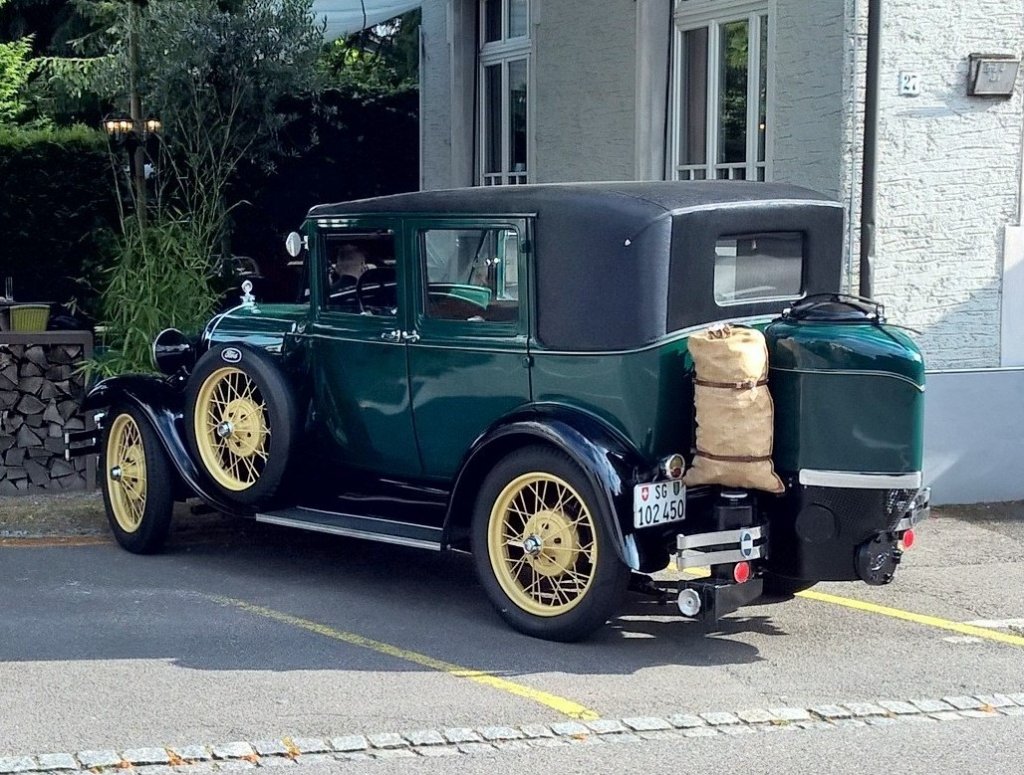 |
| Ford Model A with a wood-gas generator. |


